
Axel ducked his head and rubbed a knuckle against his temple as a smile tugged at his mouth. “Truth is, Eliza, I wasn’t so sure about this whole arrangement, but after seeing you, I think I might be coming around. And not just because you’re as pretty as you are. When I saw you climbing down from that stage, it occurred to me the kind of courage it must have taken for a woman like you to travel all this way on your own. And I respect that. I don’t think marrying you is a decision I’m going to regret.”
Elizabeth’s face warmed. Not from his praise, but from the fact that making him regret this marriage was foremost on her mind.
That is an excerpt from my newly released novella, Mail-Order Revenge.
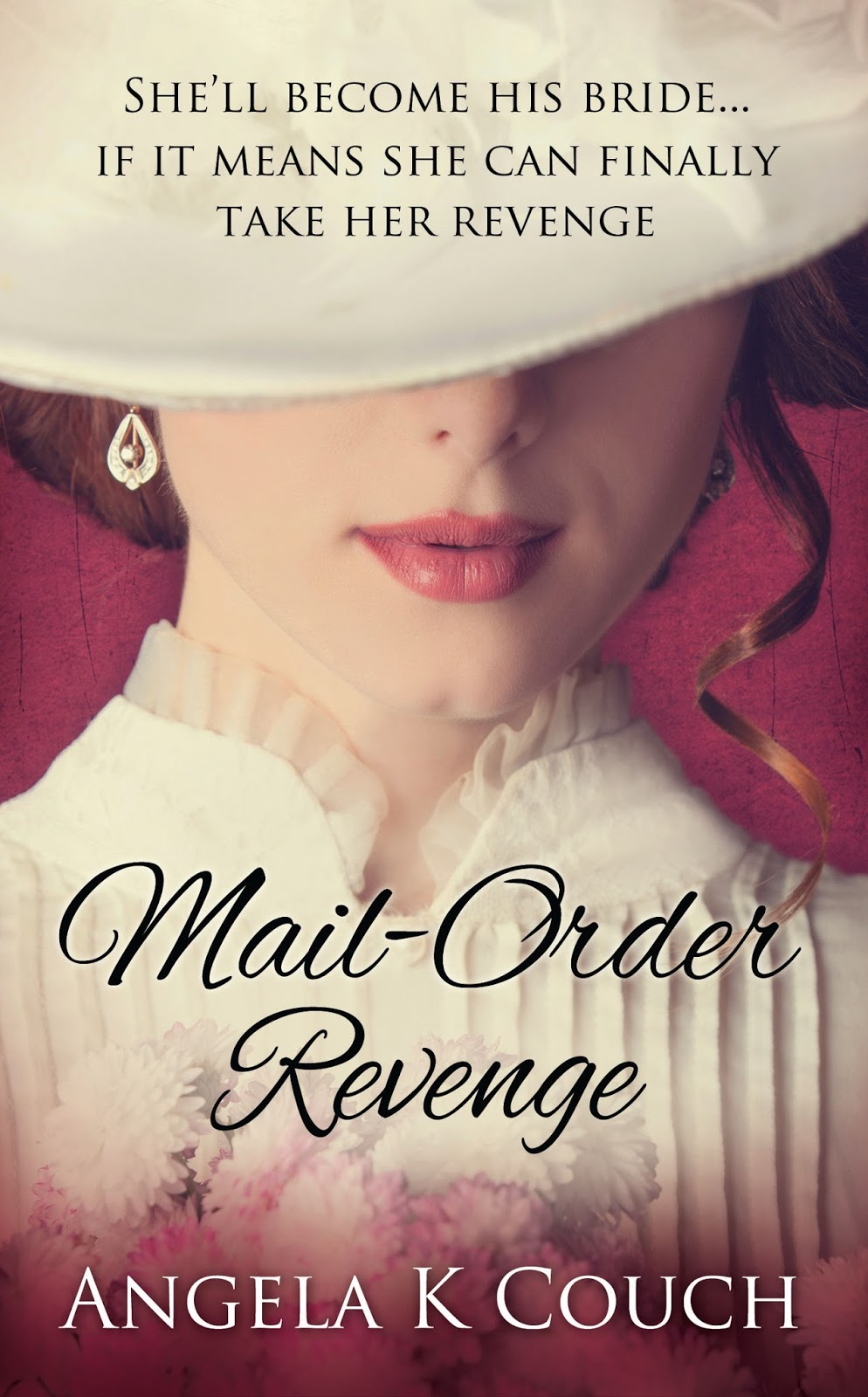
To give you a clearer picture of the characters, here is the back cover blurb:
Elizabeth Landvick knows of one man to blame for her family’s loss of fortune and her parents’ deaths. Now, she will stop at nothing to take her revenge and recover their wealth. Even travel across the country to marry the man’s son.
With his on focus his sprawling Arizona ranch, Axel Forsberg has little time for wooing a woman, so when his father finds him a bride from the east, he trusts he won’t regret the convenience. Until horses go missing, barns burn to the ground, a range war begins…and he loses his heart.
Starting out the story with a woman bent on making the hero's life miserable is fine and dandy until your readers fall in love with said hero and decide the heroine is a witch. After a while they can't read anymore because she makes them so mad.
While I love conflict, I must admit to having put down a few books because I could not understand the POV character and they were driving me mad. There are only so many times you can throw a book against a wall hoping to knock some sense into the main charactor before you don't pick it again...or have to take it in for repairs as in the case of an e-book. ;)
 I had a similar problem when writing the Patriot and the Loyalist, (yep, this is a sneak peek at the cover!) the second book in my Hearts at War series (the first book is now available for preorder!) that will be releasing next year. For a time, a couple of my critique partners were ready to strangle the heroine--I mean, how heartless can a woman be? Especially when the Hero is trying so hard. Here are three things I learned from my beautiful British spy, and my vengeful bride...
1. Motivation: As I fed the reader backstory, I had to make sure it was clear what made the character the way they are.
Have you ever read a book or watched a movie where you found yourself almost rooting for the antagonist and feeling a little bad for him when hauled away to jail after you learned he'd lost his mom as a kid, and then his dog got ran over, and Santa never brought him anything, and his ice cream fell out of its cone...Pretty much just one tough break after another? Lay all that history out for the reader and show how it affected the character.
But, please, no info dumps! ;)
2. Motivation: What outside sources are at play? Physical threats? Perceived threats? The basic human instinct of survival? Are there events and situations that corner the character until the only way they see out of the problem is over or through someone else?
A person can sometimes get away with murder if they believe it is self defense.
And next...
(Brace yourself for this one as it may come as a surprise.)
3. Motivation: What is currently happening with the character's emotions that compels them to act so heartless? Where is their heart really at? What do they feel in the moment as they light that match and let it drop into a stack of dry hay...oops, no spoilers!
So the tall and short of it seems to be motivation and letting the reader in on that motivation...sooner or later. The timing is really dependent on whether you want your audience to like the character or hate them.
What are your thoughts as a reader, or writer, about characters who drive you mad with their decisions. Leave a comment for a chance at a free e-book copy of Mail-Order Revenge. Now available on Amazon!
 Angela K Couch is an award-winning author for her short stories, and a semi-finalist in ACFW's 2015 Genesis Contest. Her childhood was spent listening to her father read chapters from his novels, and Angela decided young to follow his path. As a passionate believer in Christ, her faith permeates the stories she tells. Her martial arts training, experience with horses, and appreciation for good romance sneak in there, as well. Angela lives in Alberta, Canada with her "hero" and three munchkins.
Visit her at www.angelakcouch.com, or follow on Twitter or Facebook!
While I love conflict, I must admit to having put down a few books because I could not understand the POV character and they were driving me mad. There are only so many times you can throw a book against a wall hoping to knock some sense into the main charactor before you don't pick it again...or have to take it in for repairs as in the case of an e-book. ;)

1. Motivation: As I fed the reader backstory, I had to make sure it was clear what made the character the way they are.
Have you ever read a book or watched a movie where you found yourself almost rooting for the antagonist and feeling a little bad for him when hauled away to jail after you learned he'd lost his mom as a kid, and then his dog got ran over, and Santa never brought him anything, and his ice cream fell out of its cone...Pretty much just one tough break after another? Lay all that history out for the reader and show how it affected the character.
But, please, no info dumps! ;)
2. Motivation: What outside sources are at play? Physical threats? Perceived threats? The basic human instinct of survival? Are there events and situations that corner the character until the only way they see out of the problem is over or through someone else?
A person can sometimes get away with murder if they believe it is self defense.
And next...
(Brace yourself for this one as it may come as a surprise.)
3. Motivation: What is currently happening with the character's emotions that compels them to act so heartless? Where is their heart really at? What do they feel in the moment as they light that match and let it drop into a stack of dry hay...oops, no spoilers!
So the tall and short of it seems to be motivation and letting the reader in on that motivation...sooner or later. The timing is really dependent on whether you want your audience to like the character or hate them.
What are your thoughts as a reader, or writer, about characters who drive you mad with their decisions. Leave a comment for a chance at a free e-book copy of Mail-Order Revenge. Now available on Amazon!

Visit her at www.angelakcouch.com, or follow on Twitter or Facebook!


